The Breaking Point
or nearly a decade, I was a devoted iPhone user. From the iPhone 5 to the iPhone 13, I embraced Apple’s sleek ecosystem—valued for its seamless integration, polished software, and reliable updates. But last month, I made the switch to Android. And honestly? Apple only has itself to blame.
The company once led smartphone innovation. Now it’s playing catch-up in AI, customization, and hardware. Here’s why I finally made the jump.
1. Apple Is Playing Catch-Up in AI (And Falling Behind Fast)
In 2025, AI is essential, not just a nice-to-have. Apple is only now adding on-device AI features with iOS 18 and the iPhone 16—while Android has been years ahead.

Android AI Wins in:
- Galaxy AI 2.0 on the S25 Ultra:
- Real-time live translation (calls, messages)
- AI image editing (remove objects, generate backgrounds)
- PDF and note summarization
- AI wallpapers and interface suggestions
- Google Gemini AI:
- On-device large language models
- Smart replies and predictive actions
- AI-powered Chrome summaries and Assistant suggestions
Apple Intelligence, introduced in iOS 18, brings some exciting improvements like smart summaries, app actions, and image generation. But it’s only available on the latest iPhones (starting with iPhone 15 Pro and iPhone 16), and even then, it’s still limited in scope compared to Android’s real-time, system-wide integration.
2. The Hardware Gap Is Widening
Apple’s phones are still premium—but not leading. The iPhone 16 Pro Max is powerful, yes—but the Galaxy S25 Ultra does more, and does it better.
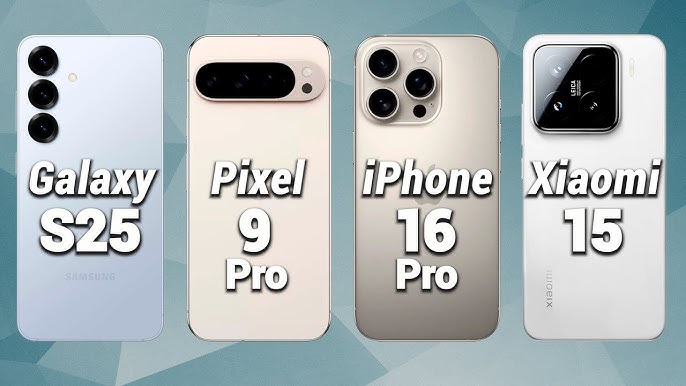
Take the Galaxy S25 Ultra—it features:
- 200MP quad-lens AI camera
- 144Hz AMOLED display with variable refresh
- 65W wired / 50W wireless charging
- Ultrasonic fingerprint + under-display Face ID
- Expandable storage + 1TB internal storage
Meanwhile, iPhone 16 Pro Max:
- Still capped at 35W charging
- USB-C port, but throttled
- No reverse wireless charging
- No expandable storage
- Still lags behind in low-light and periscope zoom photography
3. Apple’s Walled Garden—Now Loosening, But Still Tight
Apple’s ecosystem used to feel like luxury—now it’s often a limitation. However, iOS 18 has made progress, especially in areas Android has long dominated:
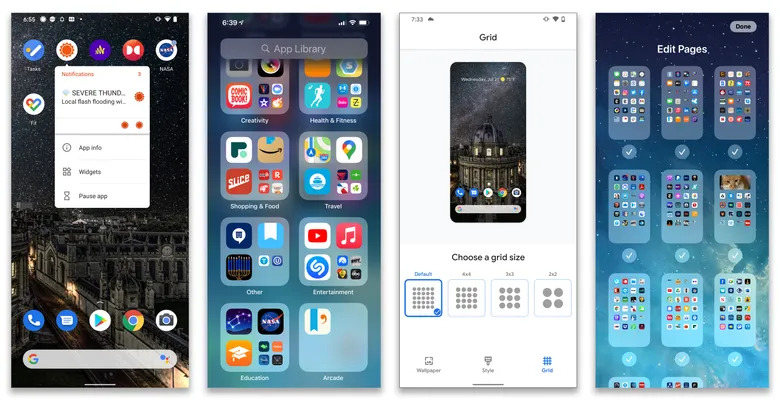
Here’s What’s New in iOS 18:
- Home Screen Customization: You can now place icons freely, finally breaking the grid.
- Default Apps & Browser Engines: Safari is no longer mandatory; Chrome and others can use their own engines (in EU).
- App Sideloading: Users in the EU can now sideload apps from outside the App Store.
These are steps in the right direction, but Android still allows:
- Full theming, icon packs, and launchers
- Split-screen and floating multitasking
- Universal sideloading and alternative app stores (worldwide)
- Per-app permission controls at a granular level
Even with iOS 18’s improvements, Android offers deeper customization and less restriction, especially outside the EU.
4. iPhones Are Overpriced for What They Offer
In 2025, the $1,199 iPhone 16 Pro Max is Apple’s most advanced phone yet—but even now, it lags behind Android in key areas. Here’s how it stacks up against the Galaxy S25 Ultra, which costs about the same:
| Feature | iPhone 16 Pro Max | Galaxy S25 Ultra |
|---|---|---|
| USB-C Speed | USB 3 (~10Gbps) | USB 4.0 (~40Gbps) |
| Charging | 35W wired / 15W MagSafe | 65W wired / 50W wireless |
| Reverse Charging | ❌ | ✅ (Phone + accessories) |
| Display | 120Hz ProMotion | 144Hz LTPO AMOLED |
| Storage | Up to 1TB | Up to 1TB + microSD (in some regions) |
| AI Features | Apple Intelligence (limited) | Galaxy AI 2.0 + Gemini |
| Price | $1,199+ | $1,199 (base 256GB) |
Even with upgrades, the iPhone 16 doesn’t stretch your dollar the way Android does. In many cases, you’re paying more and getting less.
5. Cloud & Storage: Apple’s Consistency Problem
If there’s one thing that repeatedly tested my patience as an iPhone user, it was cloud storage—and in 2025, the situation hasn’t improved much.
Apple’s iCloud Issues:
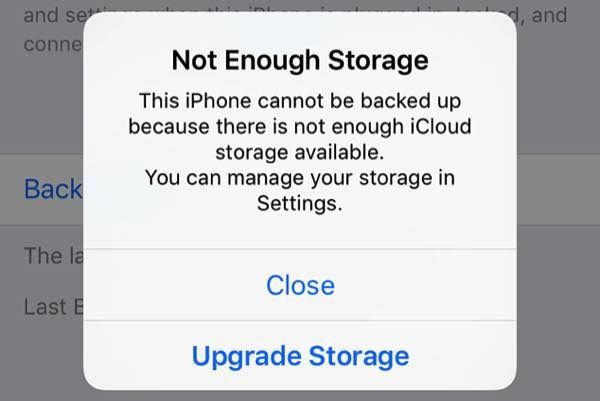
- 5GB Free Limit – Still unchanged after over a decade. It’s barely enough for daily backups, especially with high-res photos and videos.
- Locked-In File System – iCloud Drive remains rigid. Moving files between apps is clunky compared to Android’s open file system.
- iCloud Sync Delays – Notes, photos, and documents often take longer to sync than expected, especially across devices.
- Cross-Platform Compatibility – iCloud works okay on Windows—but poorly on Android or Linux.
Meanwhile on Android:
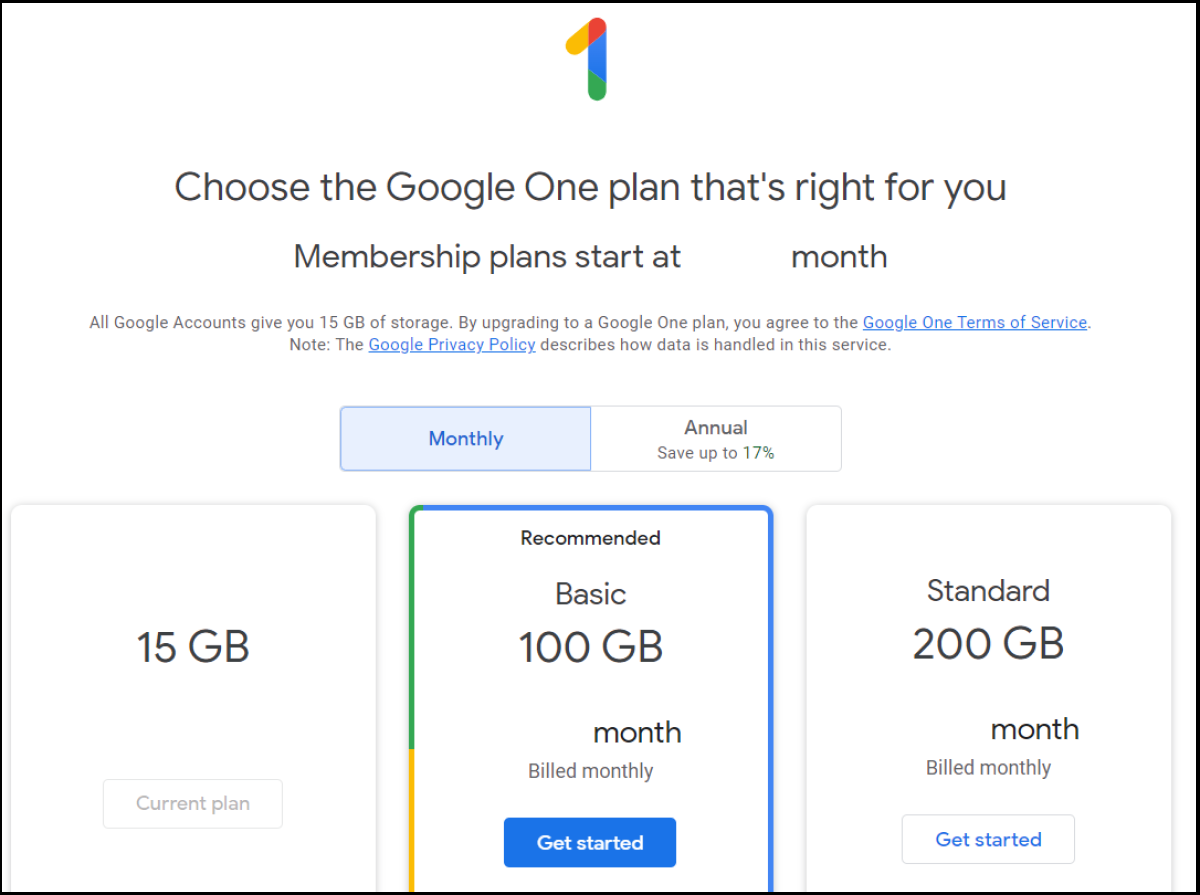
- Google One offers 15GB free, plus cheaper tiers for 100GB–2TB.
- Samsung Cloud + OneDrive integration offers seamless auto-sync for gallery and files.
- Full Access File System – You can browse, move, and manage files just like on a computer.
- Third-Party Options – Want to use Dropbox, pCloud, or your own NAS? Go ahead—Android won’t stop you.
I now have my phone backed up to Google Drive, synced with OneDrive, and integrated into my NAS at home—something that would’ve been a nightmare with iOS.
Final Thoughts: Apple Isn’t Leading—It’s Catching Up
I didn’t switch because I hated Apple—I switched because Android finally does more. From AI-powered productivity and cutting-edge hardware to deep customization, true value, and cloud solutions that actually work, Android offers a smartphone experience that feels smarter, faster, and more user-focused.
Apple’s strength has always been its ecosystem, but that ecosystem now feels outdated, restrictive, and overpriced—especially when compared to what Android users are getting with the Galaxy S25 Ultra, Pixel 9 Pro, and other top-tier flagships.
Yes, iOS 18 brings long-awaited improvements, and Apple Intelligence shows promise. But in 2025, promise isn’t enough. Android is already living in the future—while Apple is still trying to catch up.
Are You Ready to Switch?
Have you made the leap, or are you still deciding?
Drop a comment below and let’s chat.
 Svanews
Leave a comment